

Strength. Confidence. Independence.
Physical therapy at VITA isn’t about clipboards and counting reps, it’s about turning everyday struggles into everyday wins. First steps, big leaps, and everything in between!

The Power of Physical Therapy
It’s hard watching your child struggle to keep up.
Whether it’s delayed milestones, frequent falls, balance challenges, or recovering from an injury, every parent wants the same thing: for their child to move freely, play fully, and feel confident in their body.
Physical Therapy helps children build strength, coordination, and balance so they can move with strength where it matters most, at home, at school, on the playground, and on the field.
At VITA Pediatrics, PT goes beyond exercises. We look at how your child moves, identify what’s getting in the way, and rebuild movement from the ground up.
That might mean a child who avoids stairs is learning to climb with ease.
A toe-walker gaining the strength and mobility to run flat-footed and pain-free.
An athlete returning to their sport with confidence after injury.
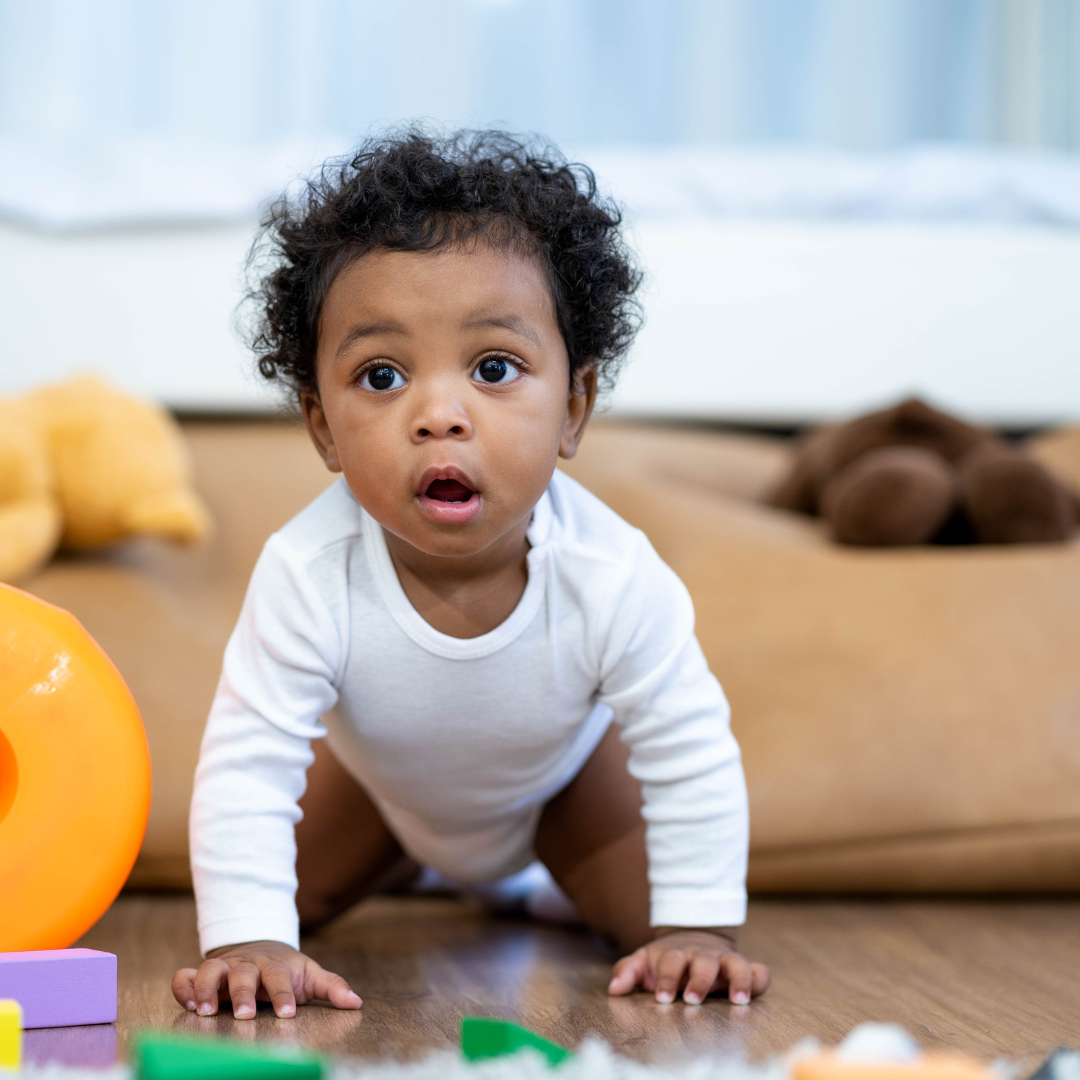
Or a toddler reaching those first big milestones, crawling, cruising, walking, on their own timeline.
Physical Therapy is where movement meets freedom. Progress isn’t just measured in our clinic, it shows up in playground victories, fearless play, and a child who finally feels at home in their body.
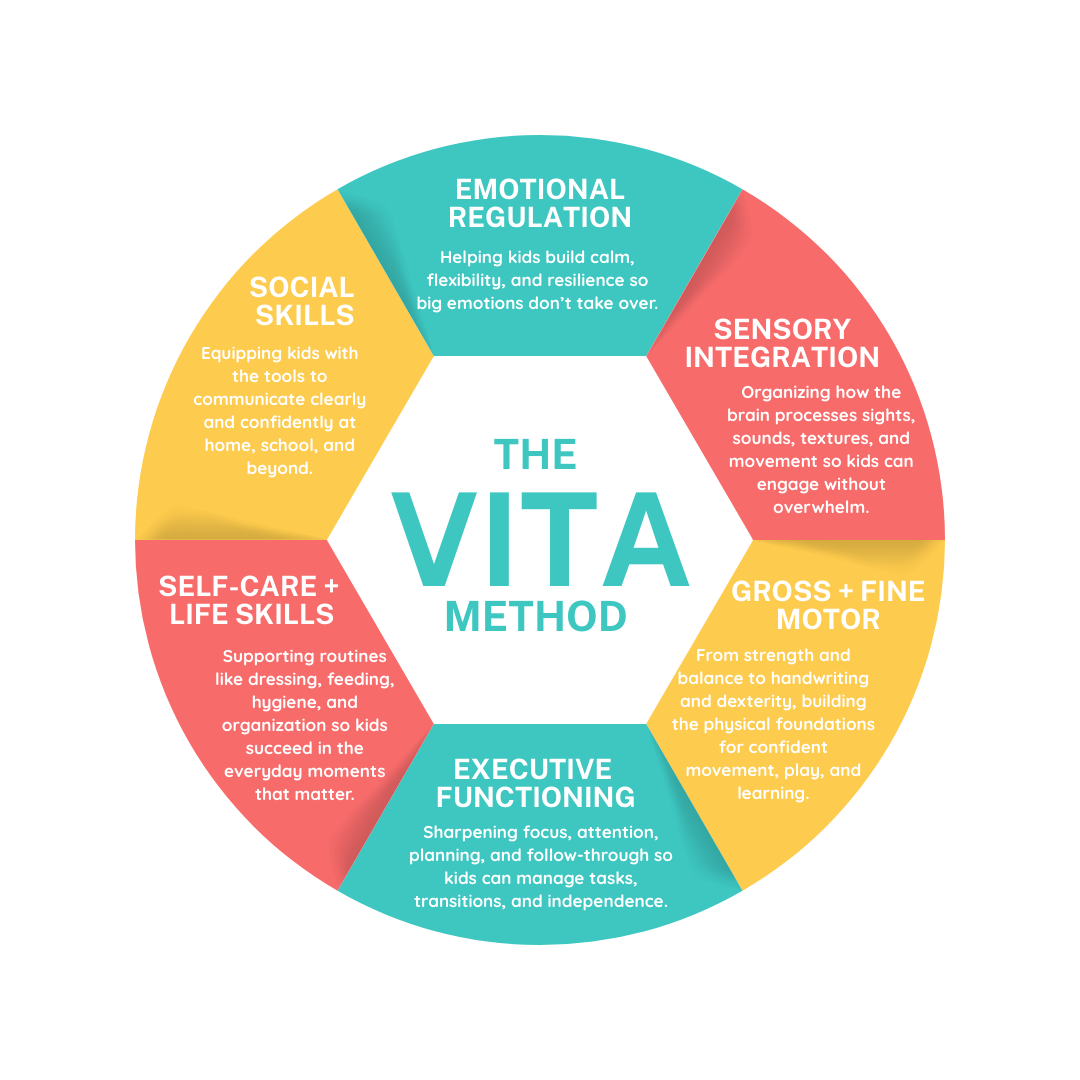
The Core Areas of Growth at VITA:
We’ve built our therapy at VITA around six core areas of development, because treating the whole child is where real change happens.
How PT Works at VITA:
We don’t believe in cookie-cutter therapy. Every child moves through our clear, three-step method:
1. Assess
A strengths-based evaluation that looks at the whole child, not just the symptoms. We get to the root.
2. Activate
A customized plan that’s practical, targeted, and tailored to your child and family.
3. Advance
Ongoing therapy with measurable progress that carries into home, school, and daily life.
Conditions We Treat:
Every child’s body tells a story. Our pediatric physical therapists are trained to spot what’s underneath the surface, the “why” behind the movement challenges, so kids can build strength, confidence, and independence. Here are some of the most common areas we address:
Developmental delays
• Rolling, crawling, pulling to stand
• First steps and independent walking
• Running, jumping, skipping, climbing
Toe walking & gait concerns
• Persistent toe-walking
• Flat feet, pigeon-toed, or knock-kneed gait
• Uneven stride, limping, or frequent tripping
Sports injuries & orthopedic recovery
• Sprains, strains, and fractures
• Post-surgical rehab (casting, bracing, orthopedic procedures)
• Return-to-sport readiness and injury prevention
Balance & coordination challenges
• Frequent falls or clumsiness
• Difficulty with stairs, riding a bike, or playground equipment
• Trouble catching, throwing, or kicking balls
Neurological or genetic conditions
• Cerebral palsy
• Down syndrome
• Muscular dystrophy and other neuromuscular disorders
• Developmental coordination disorder (DCD)
Strength & mobility limitations
• Low muscle tone or core weakness
• Stiffness, tight muscles, or limited range of motion
• Fatigue or endurance challenges during daily activities
Cranial & head shape concerns
• Torticollis (head tilt or preference to one side)
• Plagiocephaly (flat head syndrome)
• Postural asymmetries related to cranial alignment
Don’t See What You’re Looking For?
Not sure if PT is right for your child?
Pediatric PT covers a wide range of movement challenges, and no two kids move the same way. If your child’s needs aren’t listed above but involve strength, balance, coordination, flexibility, recovery after injury, or delays in motor milestones, chances are we can help.
Contact our team and we’ll review your child’s history, consult with your physician if needed, and guide you toward the best next step.